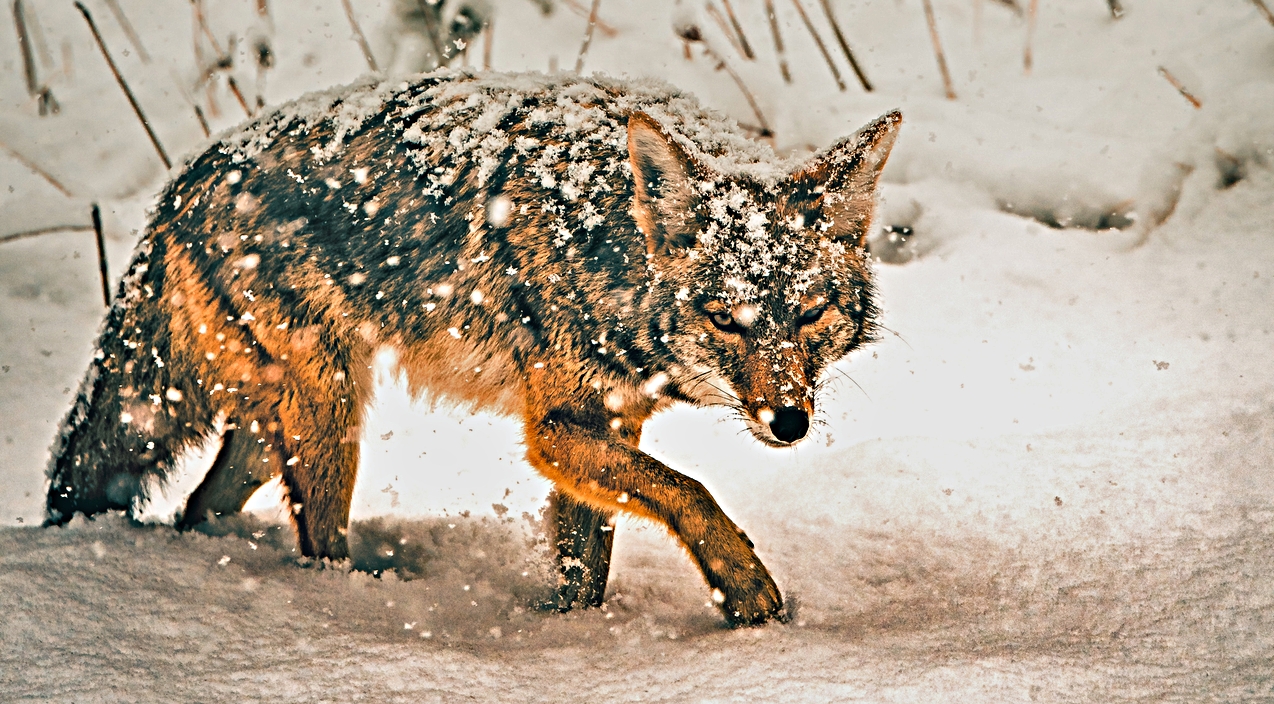
Coyotes are dangerous no matter what environment they are in. They can cause damage, decimate local wildlife populations, kill livestock, and now they are becoming better known for the loss of thousands of missing pets.
This isn’t meant to scare you, but rather to make you more aware of the possible dangers that face your beloved fur babies. It’s also to help you keep your pets safe – and if they have gone missing, to help determine if a coyote was responsible.
Urban coyote. Finley and Hillhurst. pic.twitter.com/dMmlO9jxEp
— Franklin Leonard (@franklinleonard) September 18, 2016
The Rise Of The Urban Coyote
For years, coyotes were known for just being a problem that folks who lived at the edge of town or farmers had to deal with. Even for me, a farm-raised city dweller, I always thought they stayed away from the city because they don’t like people.
Well, that’s increasingly turning out to not be true…
In places like Arizona, Southern California, and even Nashville (plus many more), coyotes are moving into the cities and making suitable lives with just a patchwork of green areas.
PHOTOS: Coyote found in Music City Center bathroom, released to wooded area 👀 https://t.co/viyyULUoZy pic.twitter.com/Ko2SIuNI9f
— FoxNashville (@FOXNashville) January 14, 2019
They can use just a few parks that are close together, graveyards, or other small green-ish areas to forge a home territory.
Now, they are becoming more brazen and bold due to many different factors. The main cause of the rise of urban coyotes is due to human expansion and taking over their original territory. With nowhere to go, they’ve adapted to city living.
So, with that understanding of how they got to be a threat to pets – how will you know if one took your fuzzy friend? It’s not going to be easy – but here are the steps to help find out.
Step 1 – Determine The Pets’ Last Known Location
Once you have established where your pet was last seen alive, you need to assess the area in-depth. Not only will this help you to determine if there is a predator threat, but you also may find clues (or even your missing pet.)
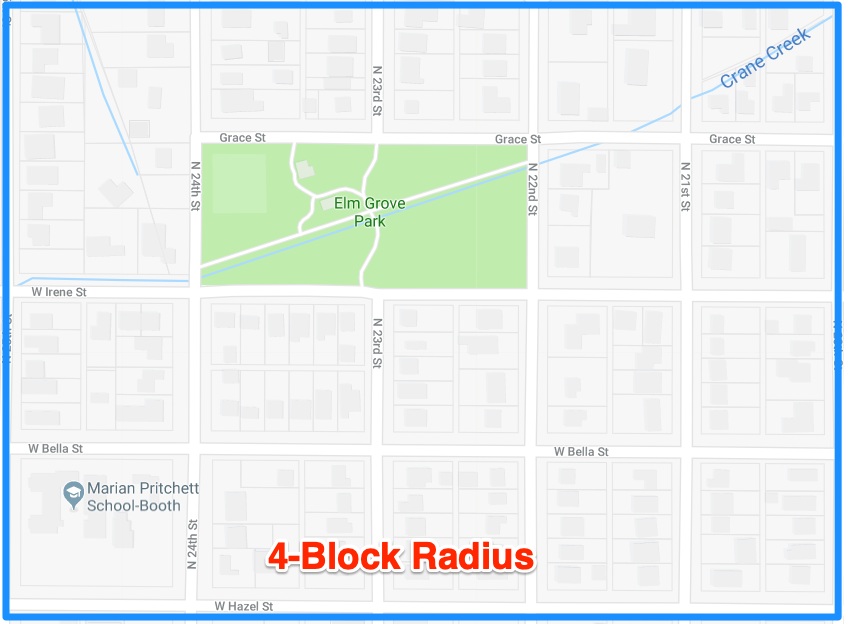
Narrow it down to just a four-block area. Now, you will want to look for any open areas like parks, canyons, ravines, golf courses, canals, graveyards, or fields where a coyote would call home.
When you have determined that a predator is a likely culprit, you will begin searching starting with the closest likely area to where the pet was last seen.
Step 2 – Begin A Grid Search
Now that you have the area and a four block grid, you and as many friends/neighbors/helpers you can get need to start searching in a grid-pattern.
This means standing 20-50 feet apart and searching going opposite directions. See the image below for reference.
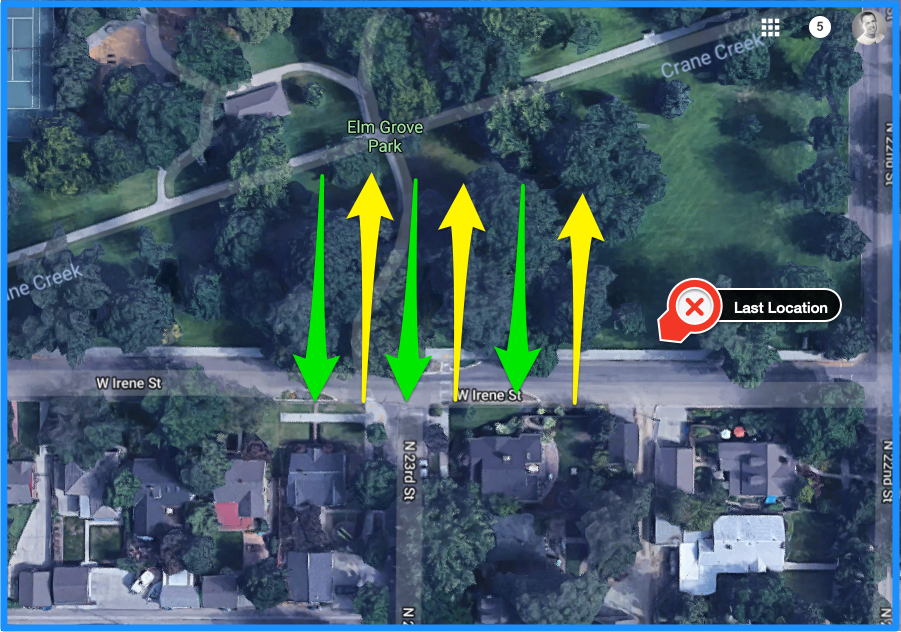
As you and your group of searchers begin looking near the last known site, you will want to keep your head down and use a flashlight (even in daytime) to look for very specific evidence.
Do not think for one second that you are looking for a blatant piece of evidence. This will be like a forensic team searching for a needle in a haystack – but if you have the right mindset, you’ll be able to find it.
Step 3 – What To Search For
As you are gird searching the area near where your pet was last seen, you will be looking down at the ground and keeping your eyes out for evidence of a coyote attack.
When a coyote kills a pet, usually there is little to nothing left of the pet. In my own experience, my cat was wearing a two-piece harness, GPS tracker, and a collar. We were only able to recover a two-inch piece of the harness. Everything else was gone.
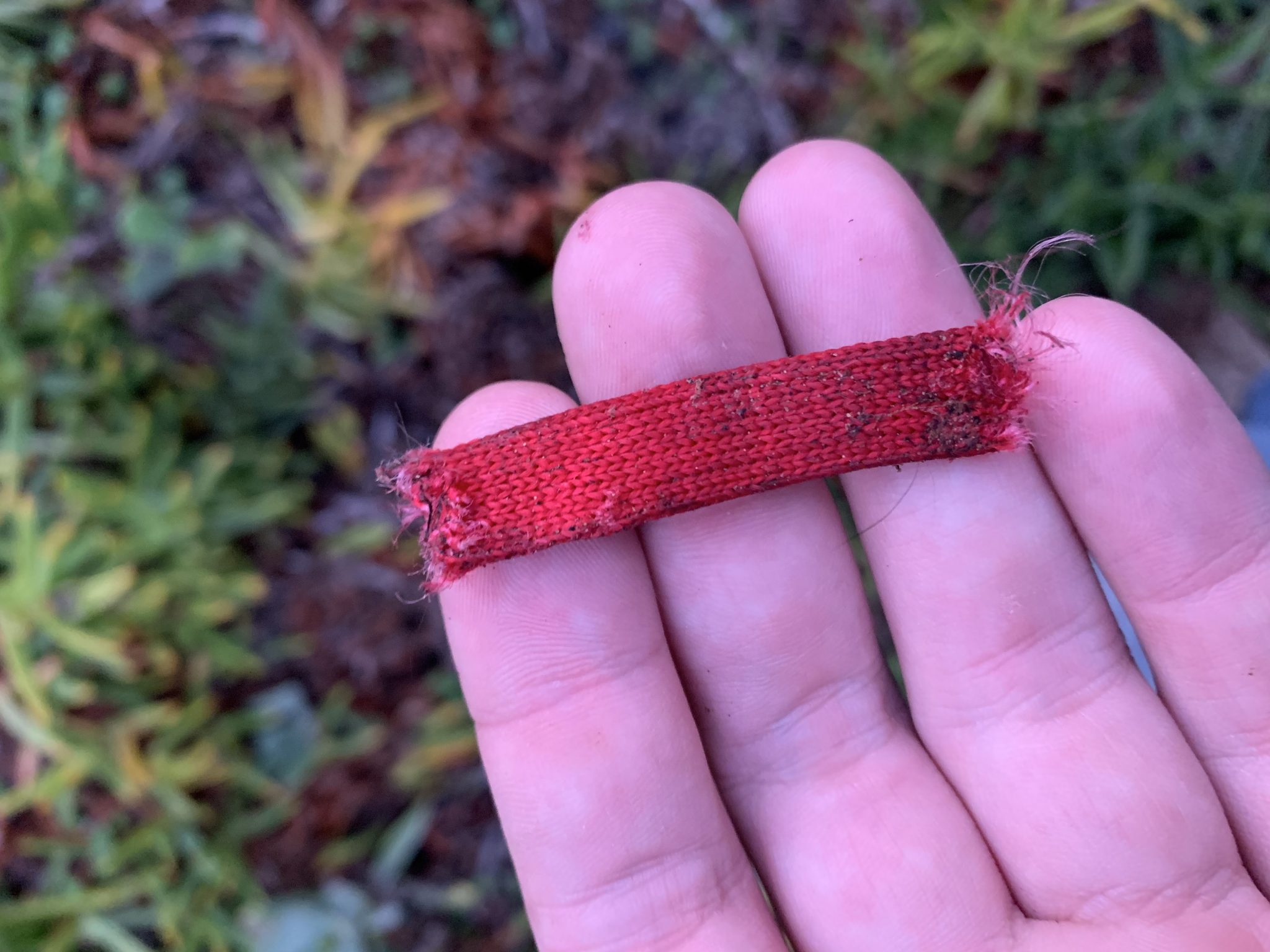
Use your eyes to look for clumps of fur, blood, and coyote scat. These will be the best signs to know if a coyote has taken your pet.
Coyote scat will often look similar to dog poop, but is larger and looks like it’s filled with debris. Usually you can see hair inside the scat. They resemble a cigar with shaped ends. See the photos below for reference.
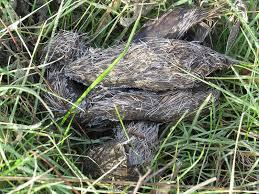
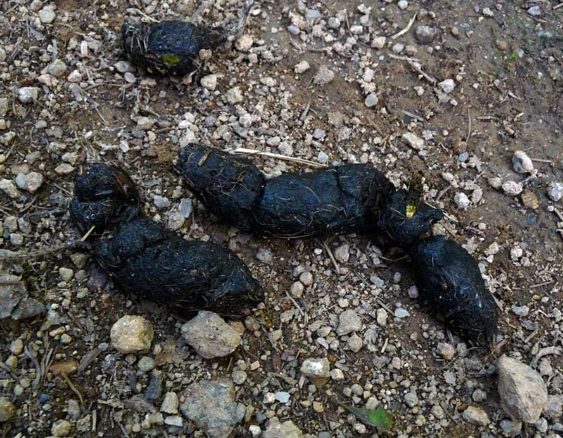
If you find scat, you can always break it open (using plastic gloves) and see if there is any fur / remnants inside that could be your pet.
This is the best way to determine if a coyote has taken your pet if they are considered a culprit in the disappearance. You will have to search long and hard to find anything, but if you feel closure is worth it – then use this guide.
The heartbreaking reality that a pet may have been taken by a coyote is a horrible conclusion to process, but in the end many people find that knowing their pet’s fate is worth the added effort.
Common misconceptions about coyotes are abundant online. Through my research and learning I can dismiss a few for you right now.
- Coyotes do not take their prey back to their den. They usually consume the prey and then regurgitate it for their offspring / partner.
- Killing a coyote will not keep them from coming back. They are territorial, so once one is gone – the others move in.
- Coyotes can jump over fences nearing 6ft tall and will even hide under a deck if there is an opening. To secure your own yard, make sure a fence is at least six feet tall and 18 inches deep in the ground.
- Coyotes can mate with dogs. If your dog is not spayed/neutered they are prime coyote targets. The scent of an un-fixed dog can either attract the coyotes to your dog or attract your dog to coyotes.Plenty of stories exist about a dog being lured away by a female coyote and then killed by her mate.
We here at Stubby Legs hope that you never have to deal with this, but as pet owners ourselves – we want you to be educated and prepared.
If you found this helpful in any way, please share it with your friends and family. You never know who might need it.